

Everyone’s trying to sell something. There’s nothing new in that. But brands that fashion themselves around their users’ lives are the ones that make it in today’s market.
Brands that put in thought and research into the problems and issues of their user’s life end up with an incredible advantage. That of their target audience’s attention and love. They end up being super focused on trying to solve problems and make products that resonate with their target audience.
It is tough for a small brand to spend time and money researching their users’ lives before they come up with a product. Many times, brands realize only very late that the problem they intended to solve with their product either doesn’t exist in their target audience’s life or is not the most important one they are trying to solve.
Worse still, many brands worry about a target audience after their product hits the market.
There are a number of smart ways a brand can test its concept with its audience before going to market with it.
1. Create a landing page and paid campaign around the concept.
What exuberant founders do not give enough emphasis on is buyer acquisition costs. Many markets are competitive to the degree of really unreasonable bids for generic or product-specific keywords, driving up acquisition costs from the word go.
Apart from that, they might be getting into a product category that is not relevant enough to their target customers. The best way to test a concept is to create a landing page with all the relevant information about the product, the problem it solves, the features that stand out, and how it makes the user’s life better. Then, run ads that lead to the landing page with a form where users can register for the product launch.
Things to track here would be the amount of interest (read, clicks) the ad is generating and the number of interested people who sign up to purchase the product. This would give you ready customer data that can be tapped for further research and also give you an idea of what it is going to take to make this product a success.
2. Take the time for hands-on primary research
Surveys and calls to a sample set of customers are some of the best ways to test your new product’s concept. These calls and surveys need to be made by people who are directly involved in product development and decision-making. I have often seen that the real message gets lost in translation when the sample survey is done by interns or newcomers in the organization.
Remember that to infer anything valuable from the data you collect, it is important to be organized right from the beginning. Keep the options in the survey as objective as possible. Qualitative responses are hard to standardize for inference. Out of the total number of people you have chosen for the survey, 20-30% would actually end up taking the time to speak to you or fill out the survey. So keep that in mind while you decide how many people to reach out to.
Some of the best tools to run a survey are SurveyMonkey, Zoho, and Google Forms.
Some of the questions to ask in the customer survey are :
- Do you have this problem in your life?
- How does it affect your daily life?
- Are you happy with the solutions available for this problem?
- How could these solutions be improved?
- If I told you that my product/service would help you solve that problem, would you be willing to try it?
- How much would you pay for it?
3. Look at the keyword data.
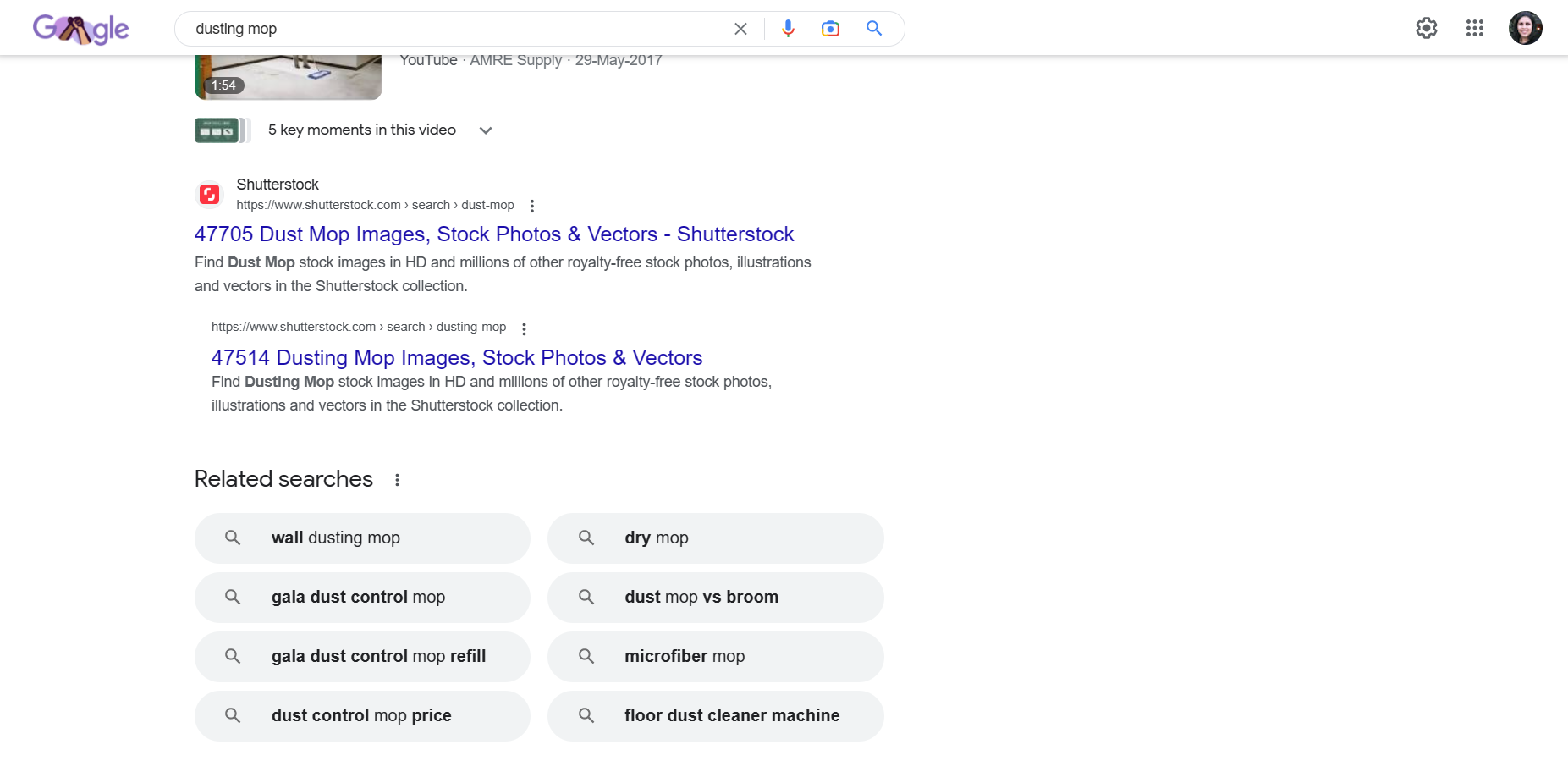
If you’re interested in knowing more about what people are looking for when it comes to the problem you’re trying to solve, open a simple keyword tool that will arm you with enough insights about your users. Type in your product or problem statement and look for the following :
- Number of people looking for those keywords
- What are the related searches to that product or problem?
- Look for matching keywords or search suggestions
- Understand the keyword difficulty – how competitive the keyword is to rank for?
If you do not have immediate access to a keyword tool, begin with a simple Google search. It tells you what people are looking for, gives you content ideas, and is a great way to begin your pricing process too.
4. Do a competitor recce.
Are you in a crowded space already? How are you going to maintain your moat if your competitor’s product is constantly innovating? Are your competitor’s users happy with their product?
Don’t get bogged down by these questions and this knowledge. Leverage it to strengthen your USP and know what messaging will set you apart. Here’s the essential industry and competitive information you need before you launch :
- How many closely similar competitors does your product have?
- Are you in a constantly innovating industry/space?
- What keywords are your competitors ranking for? What are the most popular pages on their website?
- What are users saying about your competitor’s products?
Some of the important tools that will help you in this research are – AHRefs, Simply Measured, SEMRush, Brandwatch, and BuzzSumo.
According to a Harvard professor, 80% of products fail in the first year itself. I am sure these are products that have been launched without any user research and opinion. The simple (and thorough) way to a product that is loved and admired by its users is, to begin with, the users themselves. Know and understand who is going to be using your product. Then dive deep into their shoes and let them lead the way.
Dive in Next-
 Marketing and Branding Strategy
Leave a comment